Transform Your Ecommerce Visuals with AI Brand Photoshoot Technology
Let’s be honest: AI image tools are no longer used only by designers, art directors, and professional retouchers. Even regular sellers on second-hand marketplaces are no longer "ironing" jeans before listing them online; they are smoothing, cleaning, and enhancing product images with computer vision and deep learning algorithms. In other words, with AI. In the wake of this shift, ecommerce brands are asking a bigger question: if casual sellers can instantly improve visuals, why should enterprise fashion teams still rely on weeks of physical production for every product drop? Now imagine what will happen if ecommerce AI photoshoot impacts not only post-production but the entire workflow.
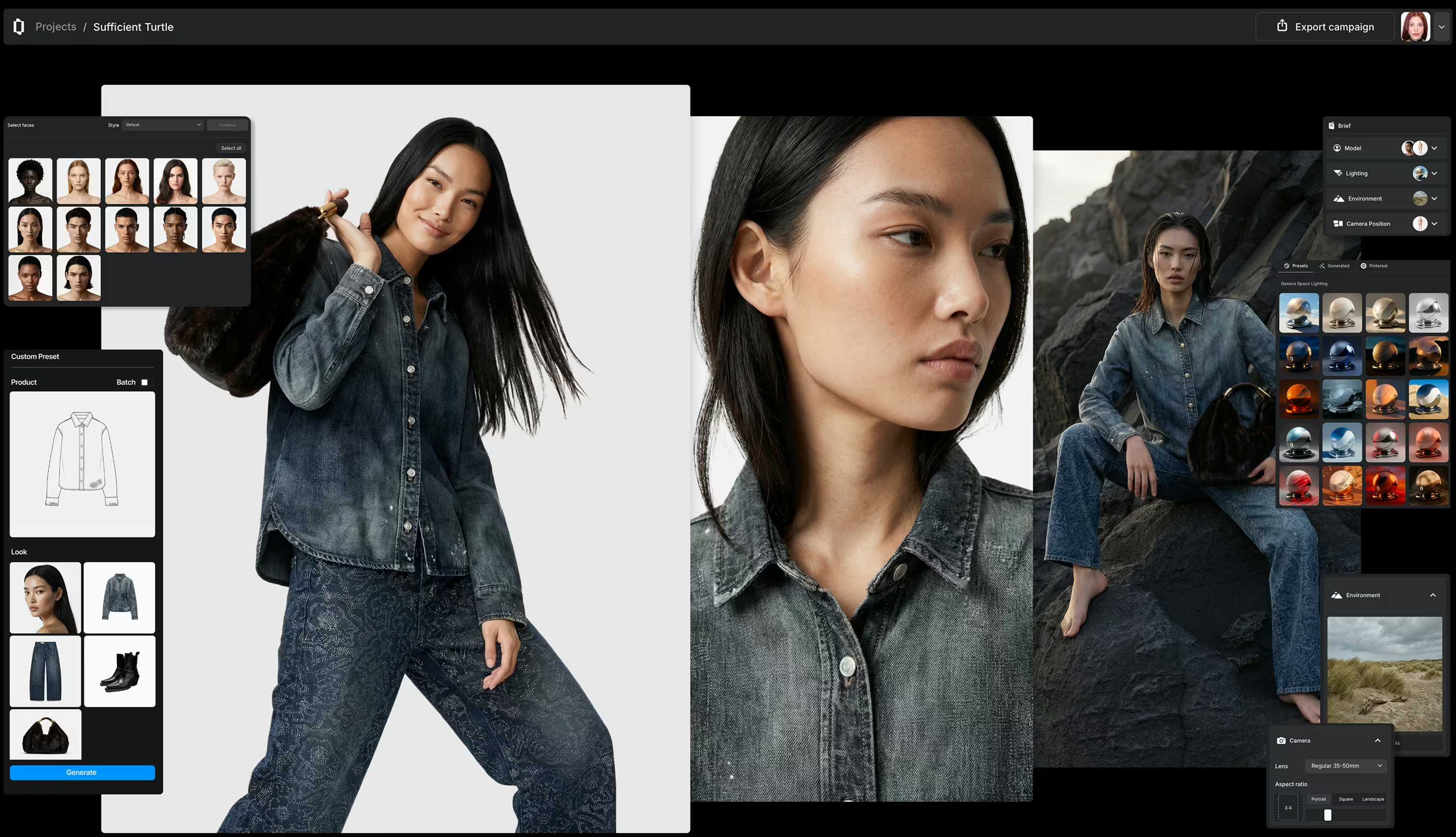
Ai photoshoot for ecommerce featuring a model in denim fashion looks, with product references and generated campaign variations.
What Is an AI Brand Photoshoot and Why Ecommerce Brands Need It Now
An AI brand photoshoot is a software-led production workflow that turns product references, brand rules, model direction, and creative briefs into commercial imagery. For e-commerce, it is a controlled visual production system for ecommerce, marketing, and campaign assets. AI-driven solutions move production from a physical pipeline to a software-based one. Instead of coordinating a full shoot for each drop, brands can create multiple controlled visual outputs from existing assets and approved creative direction.
The Evolution from Traditional Product Photography to AI-Driven Solutions
A product professional photoshoot depends on physical samples, models, photographers, stylists, studios, logistics, retouching, approvals, and reshoots. This process can still produce beautiful results, but it was built for a slower commercial world. The XXI century saw the impulse toward digital production accelerate across architecture, gaming, film, and fashion. The balance of visual communication in architecture has shifted toward real-time rendering; fashion is now experiencing a similar transition through AI powered photoshoot product imagery. AI-driven solutions move production from a physical pipeline to a software-based one. Instead of coordinating a full shoot for each drop, brands can create multiple controlled visual outputs from existing assets and approved creative direction.
How AI Brand Photoshoot Technology Works in Practice
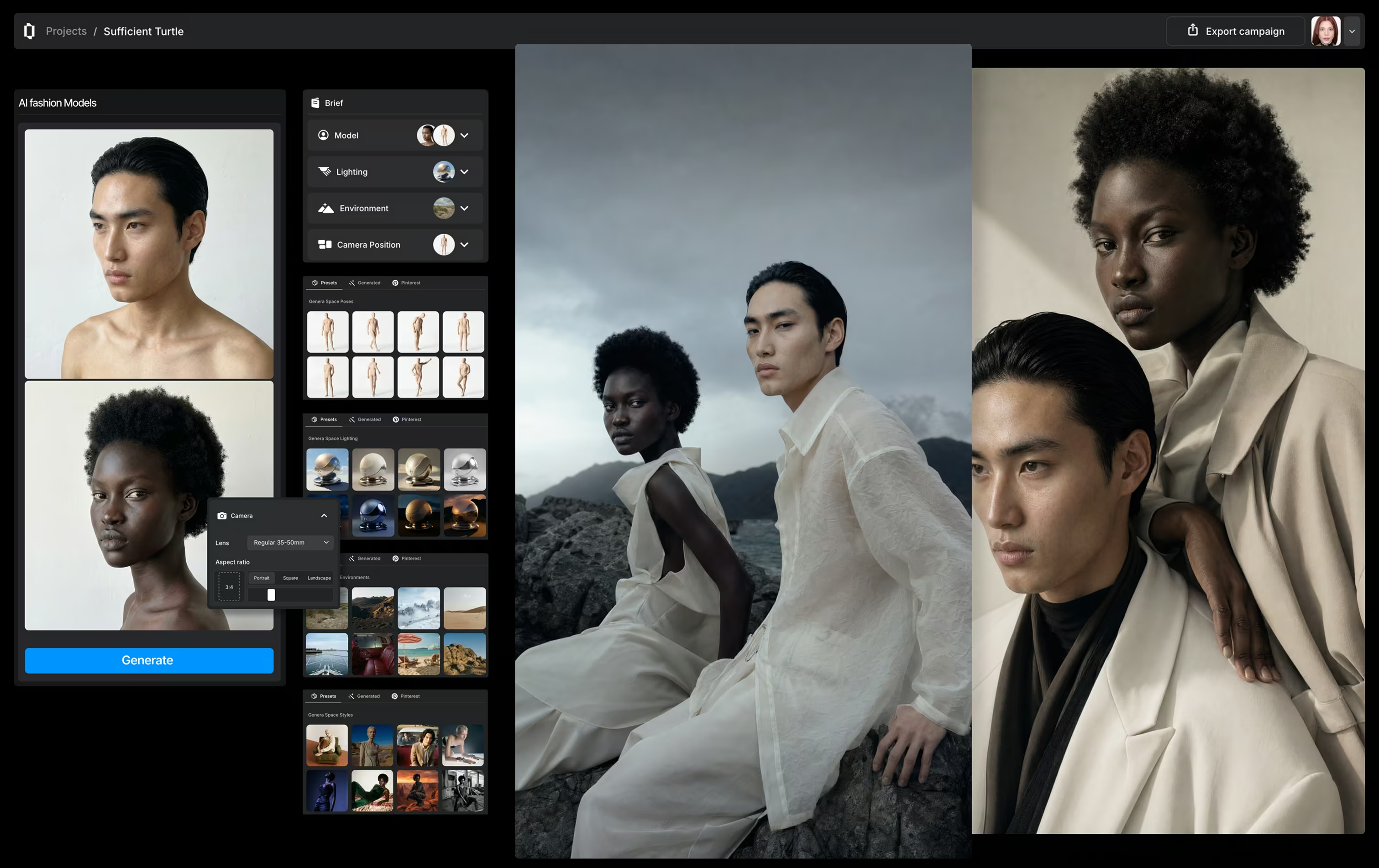
In practice, an AI photoshoot for ecommerce starts with product inputs: technical drawings, product images, garment references, brand guidelines, model direction, set direction, and required output formats. A platform such as Genera.Space uses clothing replication technology and fashion-specific AI workflows to reproduce garments, place them on AI fashion models, generate PDP images, produce lookbooks, and support campaign visuals. The process would form a structured workflow: upload assets, select or train a brand-specific visual direction, generate multiple images, review outputs, comment or approve, and deploy final visuals across e-commerce and internet marketing channels.
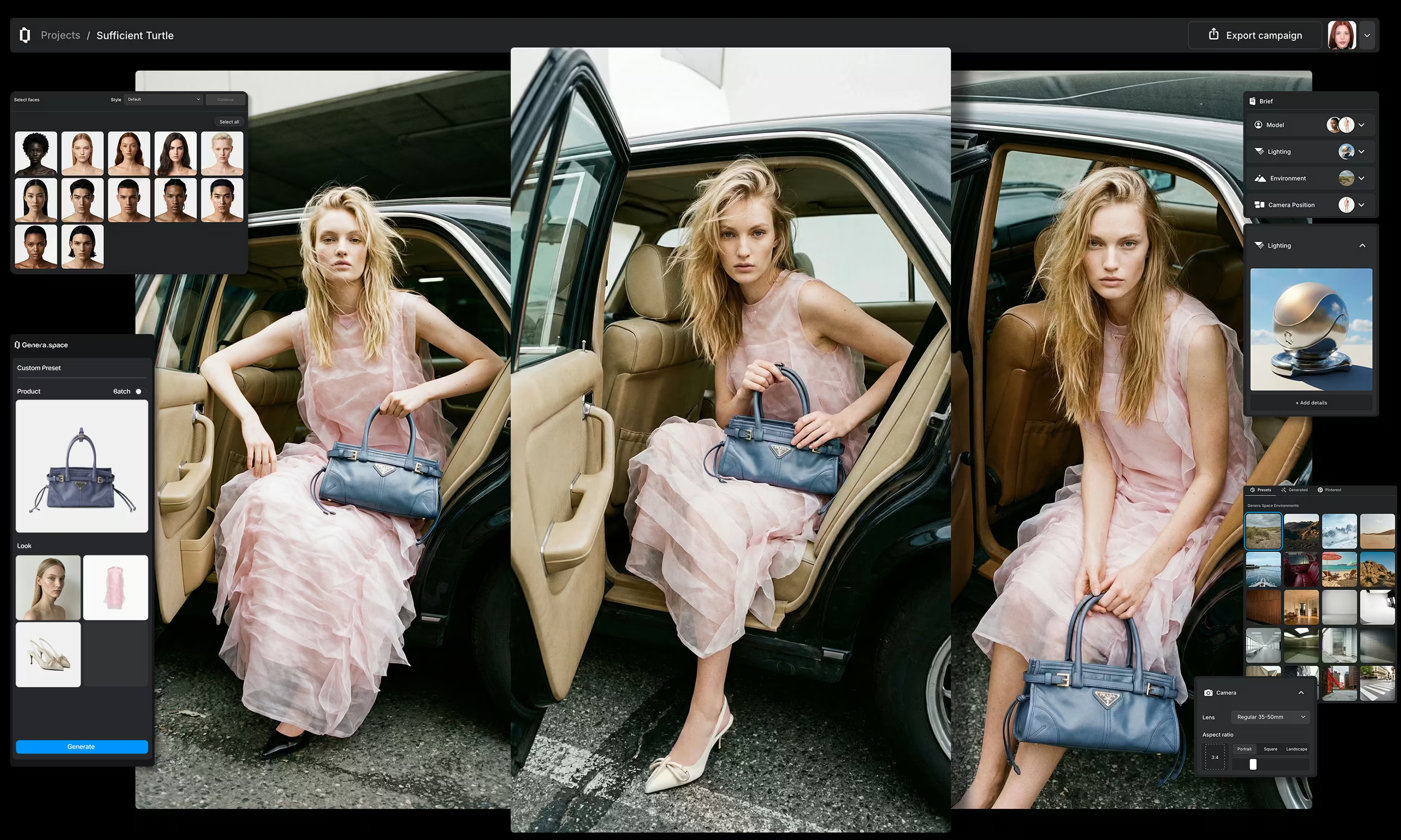
Ecommerce ai photoshoot showing a fashion campaign workspace with a model in a soft pink dress holding a blue handbag beside a car.
Key Components: From One Image to Complete Brand Visual Suites
The strongest AI brand photoshoot systems create complete visual suites rather than generating a single image. For fashion, this can include PDP product cards, model-on-body shots, lookbooks, close-ups, lifestyle compositions, campaign imagery, and eventually video. Genera.Space presents this as an end-to-end platform with modules for PDP/lookbook creation, design tools, campaign creation, video, and AI fashion models. This matters because ecommerce teams need more than isolated hero images. They need a consistent accumulation of product visuals across websites, marketplaces, ads, social channels, wholesale presentations, and regional campaigns.
Why Fashion Brands Are Moving Away from Physical Photoshoots
Fashion brands are moving away from physical photoshoots because the economics are difficult to defend at scale. A physical shoot may require model fees, photographer fees, crew, studio rental, equipment rental, post-production costs, model usage licenses, and several approval stages. AI production reduces dependency on all of these components. The shift is also operational. Genera’s materials position AI production as a way to generate production-ready imagery in minutes, with enterprise teams collaborating within a single system. Growing brands are saving money and seizing the lead in speed, localization, experimentation, and visual consistency. After all, what is more fun than bringing a new campaign to life in minutes instead of waiting weeks for production?
Common Misconceptions About AI Image Generation in Ecommerce
The first misconception is that AI images always look fake. In reality, image quality depends on the platform, input assets, review process, and the accuracy of garment replication. The second misconception is that AI ecommerce photoshoot automatically damage customer trust. Most customers care less about how an image was made than whether it accurately represents the product. A third misconception is that AI removes brand identity. Generic AI tools can produce generic results, but enterprise systems are built around brand-specific direction, custom presets, approved models, and controlled environments. The real risk is using AI without governance, but not AI product photoshoots itself.
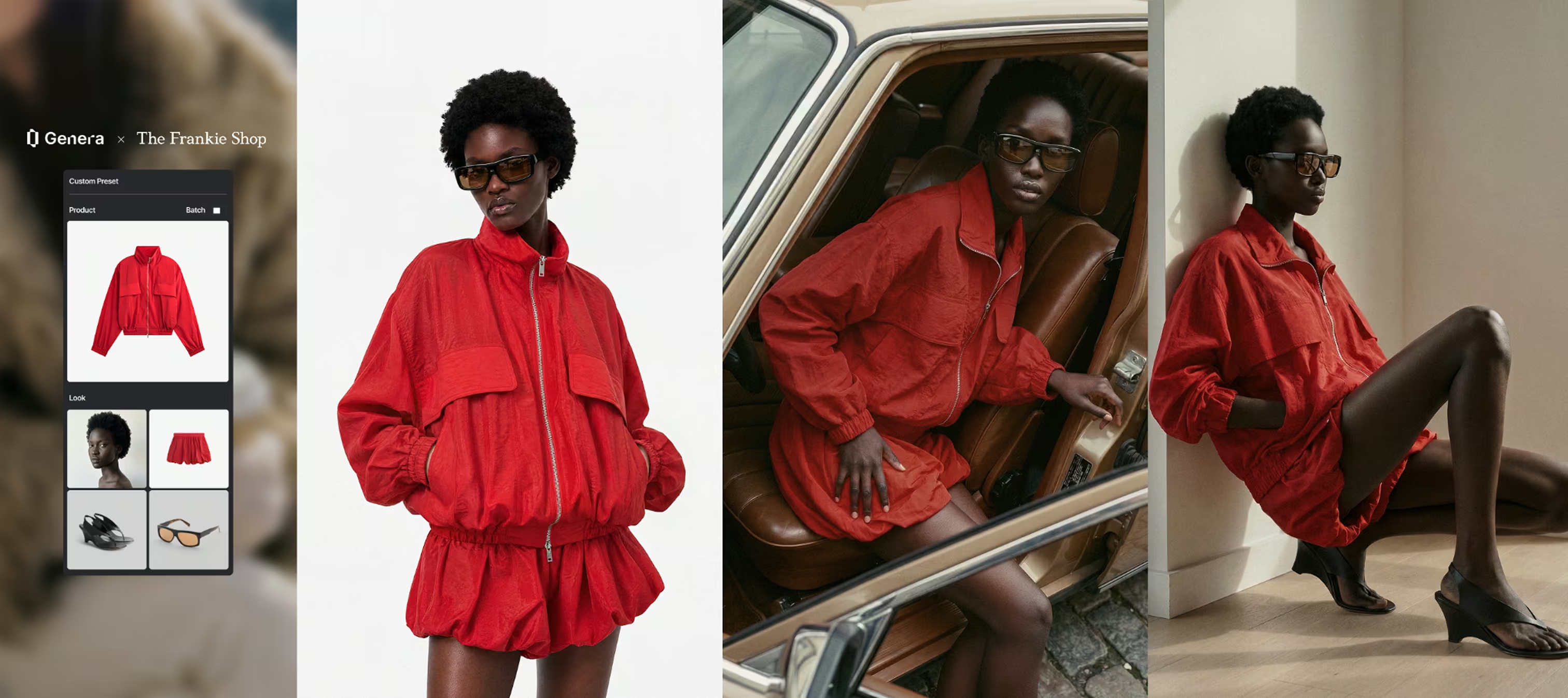
Ai brand photoshoot featuring a model in a red fashion look styled across studio and lifestyle campaign images.
Business Benefits of Implementing an AI Powered Photoshoot
AI-powered photoshoot technology gives ecommerce brands measurable operational advantages: lower costs, faster production, better consistency, more content variation, and reduced production friction.
Drastic Cost Reduction and Faster Time-to-Market with AI Product Photoshoots
Traditional production can take days or weeks. Genera’s materials describe a model in which around 100 final-ready images can be produced in approximately 15 minutes, and enterprise teams can produce up to 2,000 final images daily. The company also presents image costs ranging from $0.50 to $1.50, including garment replication, AI fashion models, and final delivery. This changes launch economics. A product no longer needs to wait for a shoot date, a studio slot, sample shipping, or a retouching queue. Ecommerce teams can create, approve, and publish faster.
Need visuals tomorrow? AI production makes it possible.
Achieving Perfect Brand Consistency Across Multiple Images and Channels
Consistency is one of the hardest problems in ecommerce product photography. A brand may shoot different collections with different teams, lighting setups, aesthetic versions, model choices, and post-production standards. Over time, visual identity becomes fragmented. AI brand photoshoot technology allows brands to define repeatable visual rules: model type, pose language, site, background, best light, crop, close up, shallow depth, camera angle, styling logic, and channel-specific formats. This is especially useful for brands working across multiple markets, agencies, teams, and product categories.
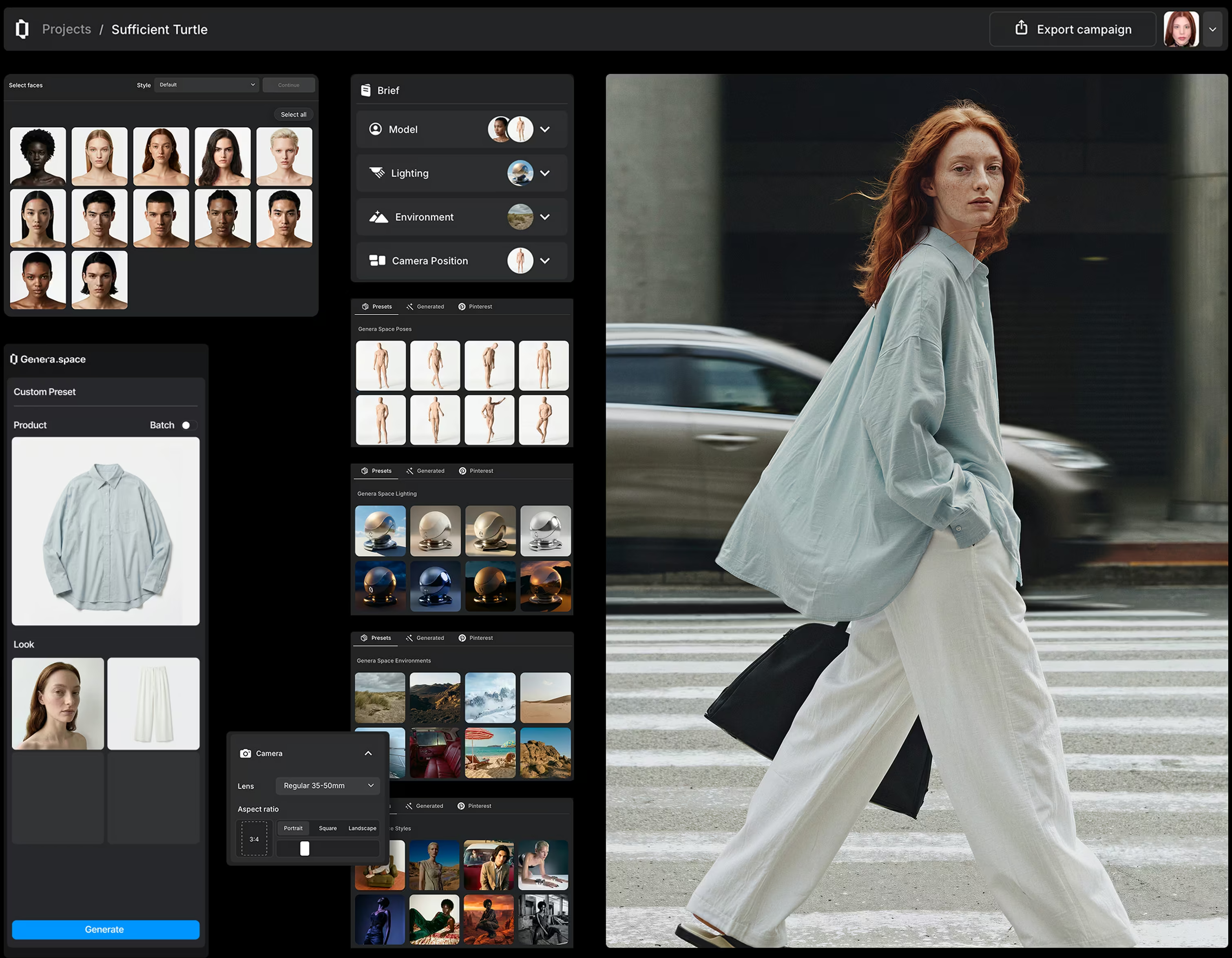
Ai ecommerce photoshoot of a red-haired model wearing a light blue shirt and white trousers in an urban street setting.
Boosting Conversions Through High-Quality Lifestyle Images and Product Shots
Better ecommerce visuals help customers understand fit, texture, scale, styling, and use context. AI photoshoots allow brands to produce more product shots and lifestyle images for the same item, making it easier to test what drives engagement. A PDP can include clean product imagery, model-on-body shots, detail close-ups, alternative styling, and campaign-style images. Instead of one visual direction per product, brands can test several without organizing a new shoot of product photos. This creates a sizable audience for visual experimentation: merchandising teams, performance marketers, wholesale teams, and regional brand managers.
Scalability for Growing Ecommerce Catalogs Without Additional Shoots
As catalogs grow, traditional production becomes an intricate game of jockeying for studio time, sample availability, model calendars, budgets, and approvals. AI production removes many of these bottlenecks. Genera’s materials describe use cases involving thousands of SKUs and thousands of final images. For large catalogs, AI photoshoot technology can support new drops, old stock refreshes, B2B assets, regional variations, and seasonal updates without a proportional increase in crew or physical production.
Environmental and Operational Advantages of AI Powered Photoshoot
AI photoshoots can reduce travel, shipping, set construction, studio energy use, physical samples, and reshoots. While digital production still has computing costs, it can lower the operational waste tied to repeated physical shoots. Operationally, the advantages are also clear: fewer handoffs, fewer delays, fewer reshoot requests, and more visibility across teams. A unified platform gives design, merchandising, marketing, and leadership a shared environment for review and approval.
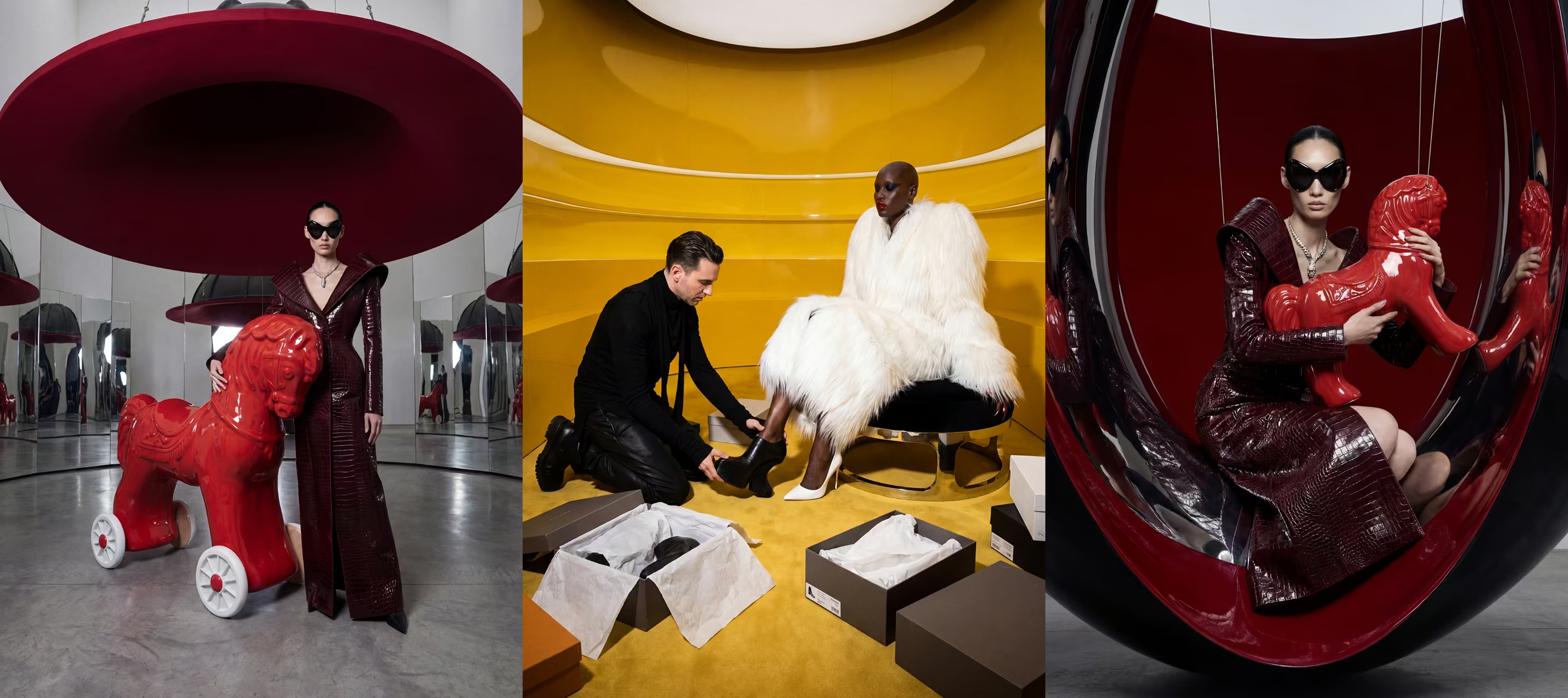
Ai powered photoshoot showing a luxury fashion editorial scene with models, bold red props, glossy styling, and dramatic interiors.
How to Execute a Successful AI Photoshoot for Ecommerce
Successful AI production requires preparation, governance, brand clarity, and a structured workflow.
Preparing Your Assets for an Ecommerce AI Photoshoot
Start with clean product references, technical drawings, flat lays, previous campaign imagery, color references, material details, and brand guidelines. The better the input, the more accurate and amazing the output. For fashion, include information about fit, drape, texture, closures, pockets, trims, seams, and scale. Brands should also prepare creative direction: target model type, market, setting, emotional tone, styling rules, and channel requirements.
AI Product Photoshooting Best Practices for Realistic Results
Realistic results depend on accuracy checks. Teams should review garment shape, color, texture, stitching, proportions, model pose, hand placement, shadows, and product scale. Knitwear, leather, sheer fabrics, metallic surfaces, and complex prints may require closer review. The goal is to build a repeatable quality-control loop that makes AI output commercially reliable.
Creating AI Model Ecommerce Product Photoshoot Campaigns
AI model ecommerce product photoshoot campaigns allow brands to show garments on diverse models, in different locations, and for different markets. Genera’s materials emphasize ethical and legitimate AI fashion models, including the digitalization of real fashion talent. This is important because model consent, usage rights, and commercial legitimacy are becoming central issues in AI fashion imagery. For campaigns, brands should define casting logic, regional relevance, styling rules, and usage rights before generating final assets.
Ai model ecommerce product photoshoot with two fashion models in neutral outfits, generated across studio and outdoor campaign scenes.
Generating On-Brand Lifestyle and Close-Up Product Images
Lifestyle images must support the brand world, so they should not feel random. A luxury brand may need controlled lighting and minimal compositions; a sportswear brand may need movement, outdoor context, and functional styling. The most effective AI workflows help teams create on brand visuals consistently across every product category and marketing channel. Close-up product images should focus on details customers care about: texture, stitching, hardware, fabric weight, pattern accuracy, and finish. AI can create these assets at scale, but human review remains essential.
AI Photoshoot for Ecommerce Workflow Integration and Optimization
The strongest AI photoshoot workflow connects directly with existing ecommerce operations. Ideally, it should fit into DAM systems, PIM workflows, approval processes, marketplace requirements, and marketing automation. Genera.Space is positioned as an enterprise platform, not a disconnected image generator, which means workflow integration is central to its value. This is especially important for large organizations where design, merchandising, marketing, ecommerce, and leadership operate across different geographies.
Measuring Success and Iterating Your AI Product Photoshoots
Measure AI photoshoot performance through cost per image, production and approval time, content volume, conversion rate, click-through and return rate, PDP engagement, and campaign performance. Compare image generation against traditional photos through A/B testing. The best teams treat AI visuals as a performance system. They generate assets and, more crucially, learn which model types, crops, backgrounds, styling choices, and image sequences drive better commercial outcomes.
Frequently Asked Questions About AI Brand Photoshoot for Fashion and Ecommerce
How does AI brand photoshoot image quality compare to high-end professional photography?
High-end photography still has value for flagship campaigns, celebrity shoots, and highly conceptual brand moments. However, AI brand photoshoot technology can now achieve commercially strong ecommerce, lookbook, and campaign visuals when supported by accurate garment replication and human quality control.
Can AI product photoshoots fully replace human models for all fashion categories?
Not always. AI models can replace many ecommerce and lookbook needs, especially for scalable PDP production. But some categories, campaigns, or brand strategies may still require real models, live movement, celebrity talent, or human-led creative direction.
What file formats and resolutions are best for exporting AI-generated product images for websites?
For websites, brands typically use optimized JPEG or WebP for fast loading, PNG when transparency is needed, and high-resolution master files for DAM storage and future reuse. Final specifications should match ecommerce platform requirements, marketplace rules, and performance standards.
How do you ensure legal and commercial usage rights for AI-powered photoshoot outputs?
Brands should confirm model rights, training-data policies, platform terms, commercial usage permissions, and likeness consent. This is especially important when using AI fashion models or digitized real talent. Legal review and clear vendor agreements are essential for AI product photoshooting.
Are there limitations when using AI for highly detailed or textured materials like leather or knitwear?
Yes. Highly textured materials can be more challenging because customers expect accurate surface detail. Leather grain, knit structure, embroidery, transparent fabrics, and reflective hardware should be reviewed carefully before publication.
How does Genera.Space AI handle multi-language or region-specific product imagery needs?
Genera.Space is positioned for enterprise fashion workflows across markets. In practice, region-specific imagery can involve different model casting, styling, backgrounds, seasonal context, and cultural visual codes while keeping the same core product and business direction.
What training data or reference requirements improve consistency in long-term brand campaigns?
Consistency improves when a brand provides approved historical imagery, visual guidelines, product references, model preferences, lighting standards, set references, cropping rules, and examples of rejected outputs. The platform can then align future generations with brand-specific expectations.
Can AI photoshoot tools integrate with existing DAM systems or marketing automation platforms?
Enterprise AI photoshoot tools should be evaluated on integration capability. Brands should ask about DAM compatibility, asset metadata, approval workflows, user permissions, export formats, API options, and security requirements before deployment.
How are brands addressing potential customer perception of fully AI-generated visuals?
Brands are focusing on product accuracy, transparency, and quality. Customers are more likely to accept AI visuals when the product is represented honestly. Clear policies and responsible disclosure can help build trust.
What does the future hold for AI in product photography — will video or 3D assets become standard?
The future is likely to move beyond still images. The vast proliferation of AI tools will push ecommerce toward video, motion assets, 3D-like product experiences, automated localization, and real-time campaign generation. The brands that build structured visual systems now will be better prepared for the next stage of AI commerce.